

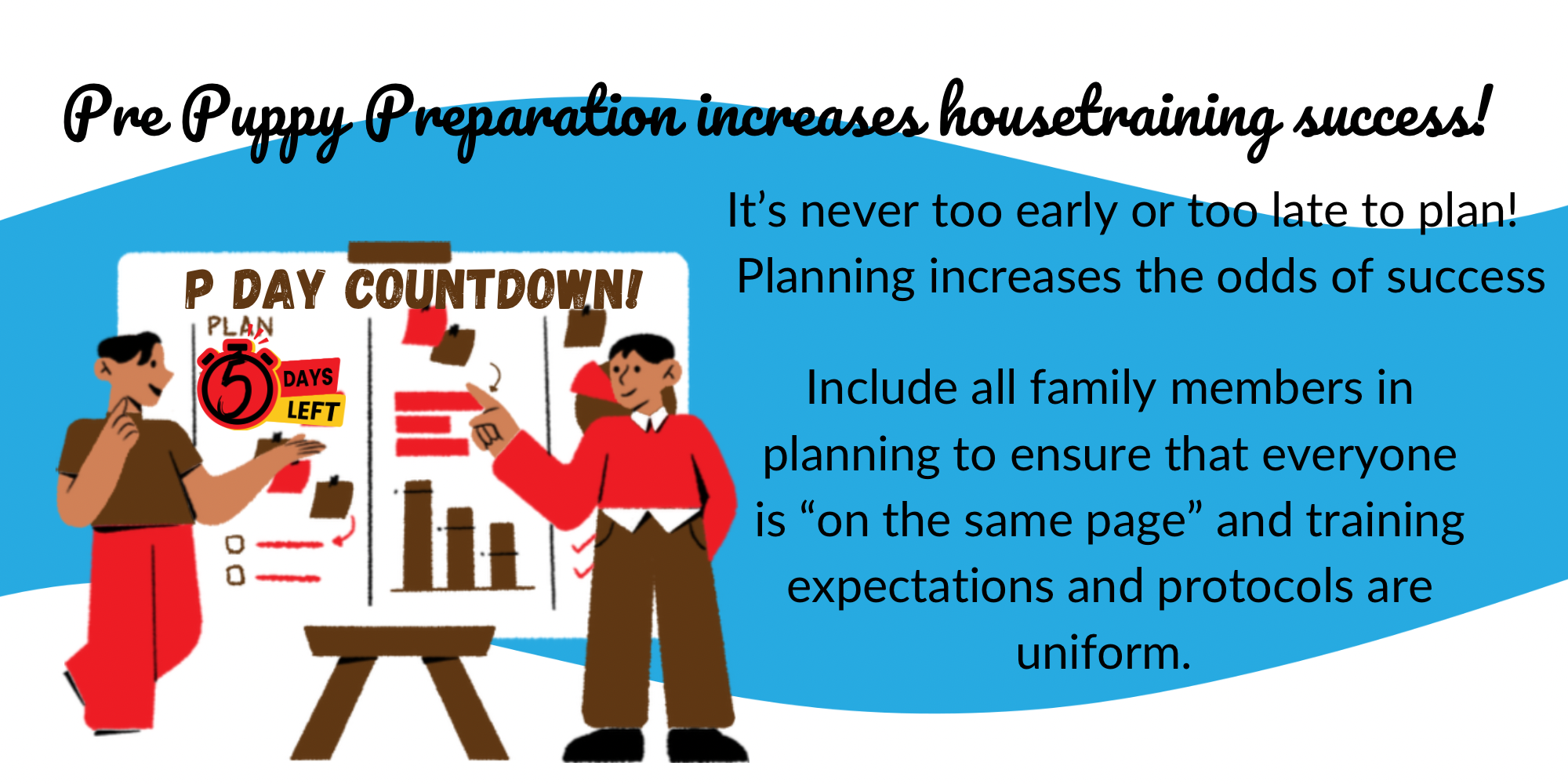
Planning ahead is one of the easiest ways to increase success of your house training efforts. But don't worry if you already have your puppy, it's never too late to sit down and plan your house training goals, everyone's responsibilities, and how this work will be accomplished.
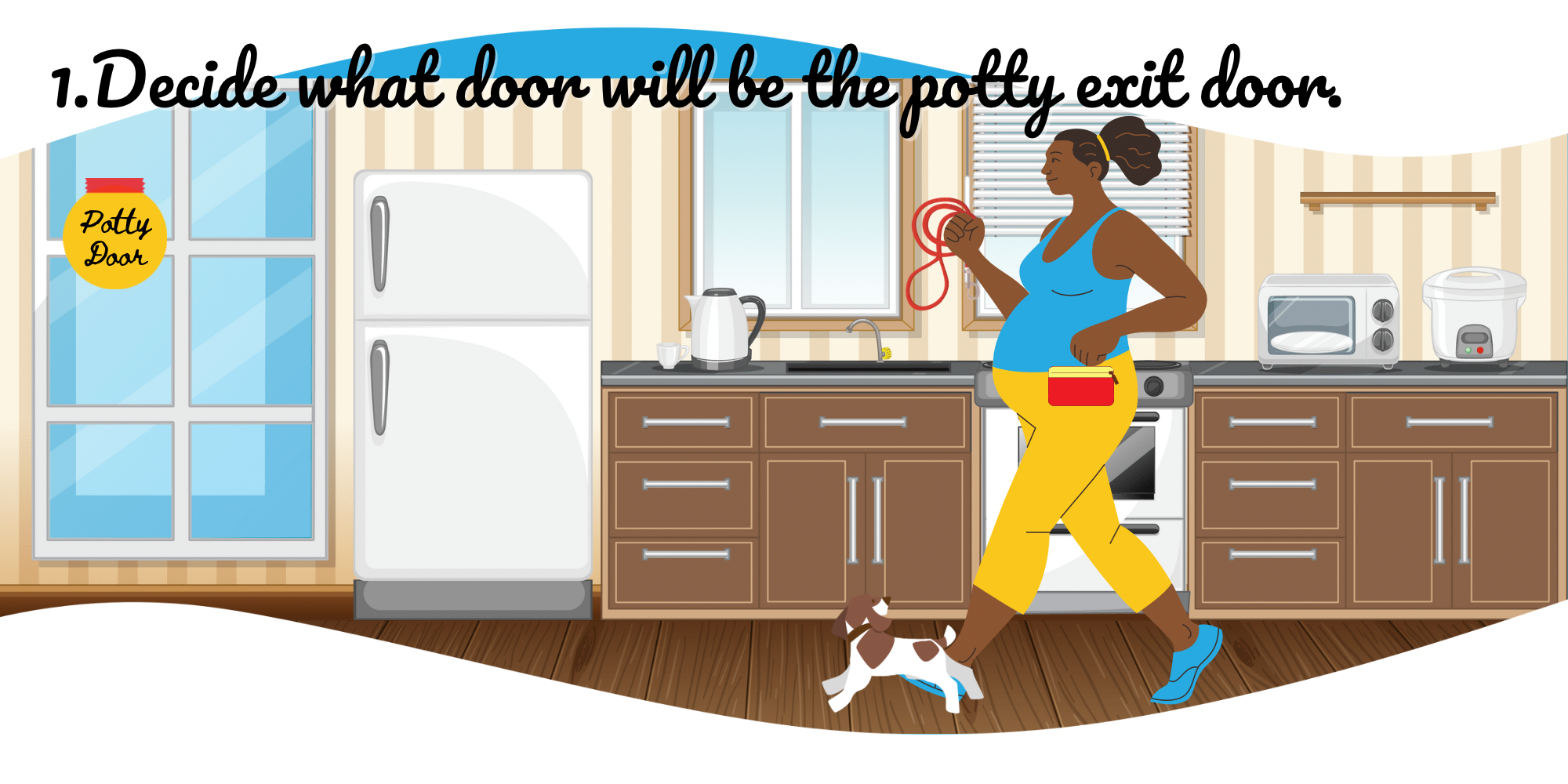
Using the same door for potty breaks will more quickly teach the puppy how to find the door to the outdoor toilet. If using a litter box create your litter box area near the potty door too.
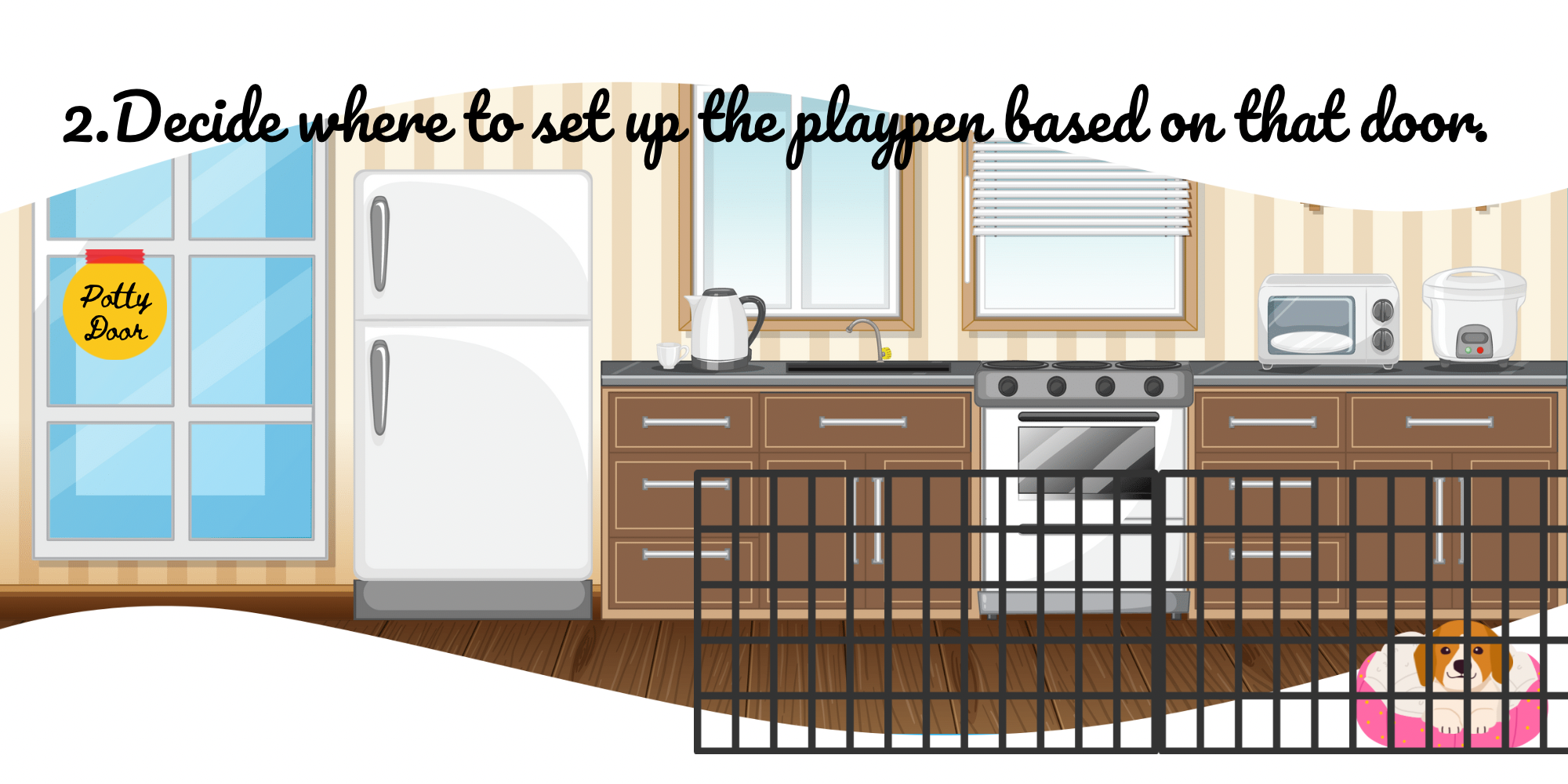
The day pen should be set up near the potty door at first. Young puppies cannot hold it for long runs to the door!
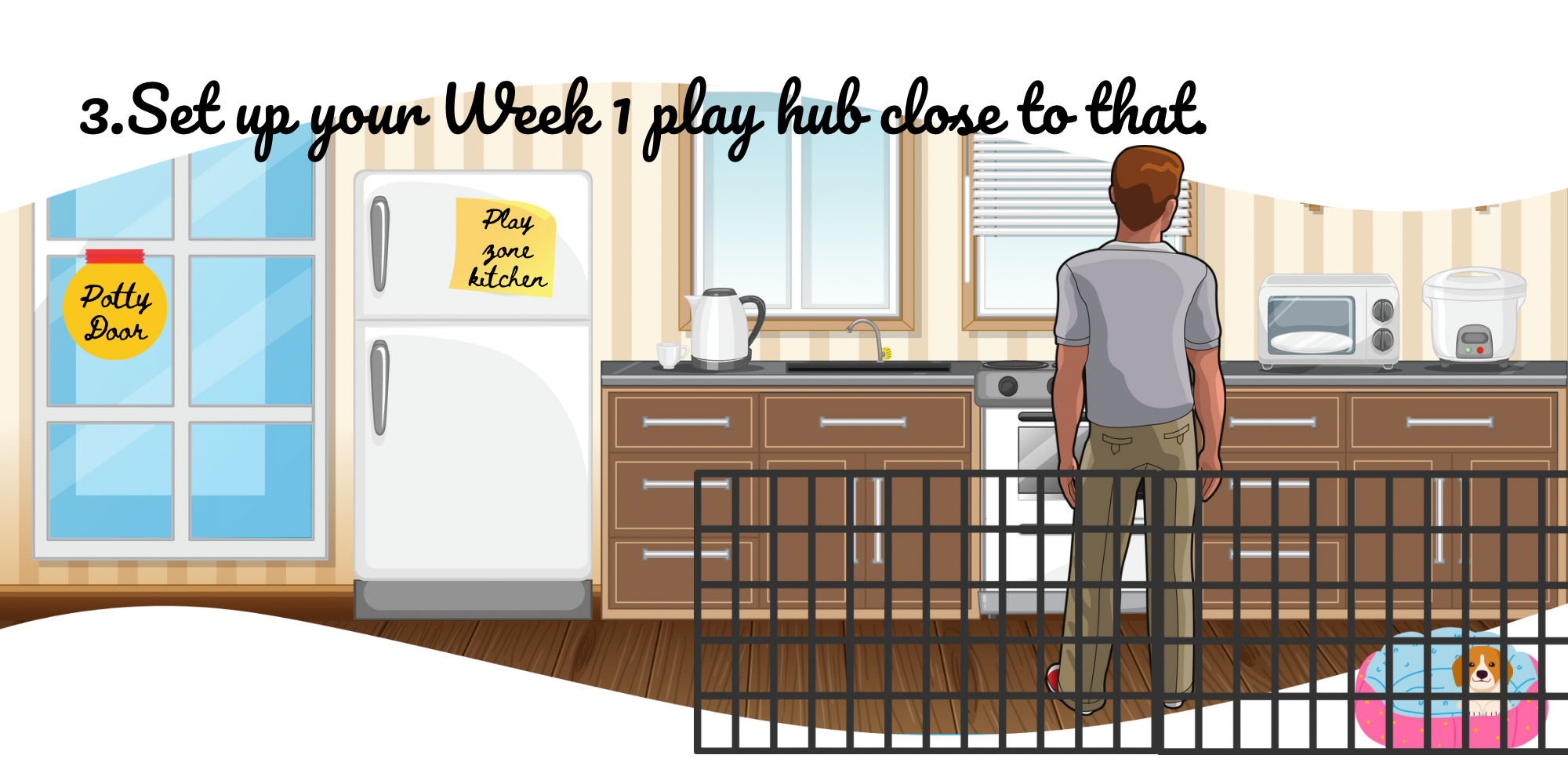
The supervised play area should likewise be close to the potty door so that if you notice Urgent Need Signals, and also on schedule, the puppy can be taught to go to the potty door.
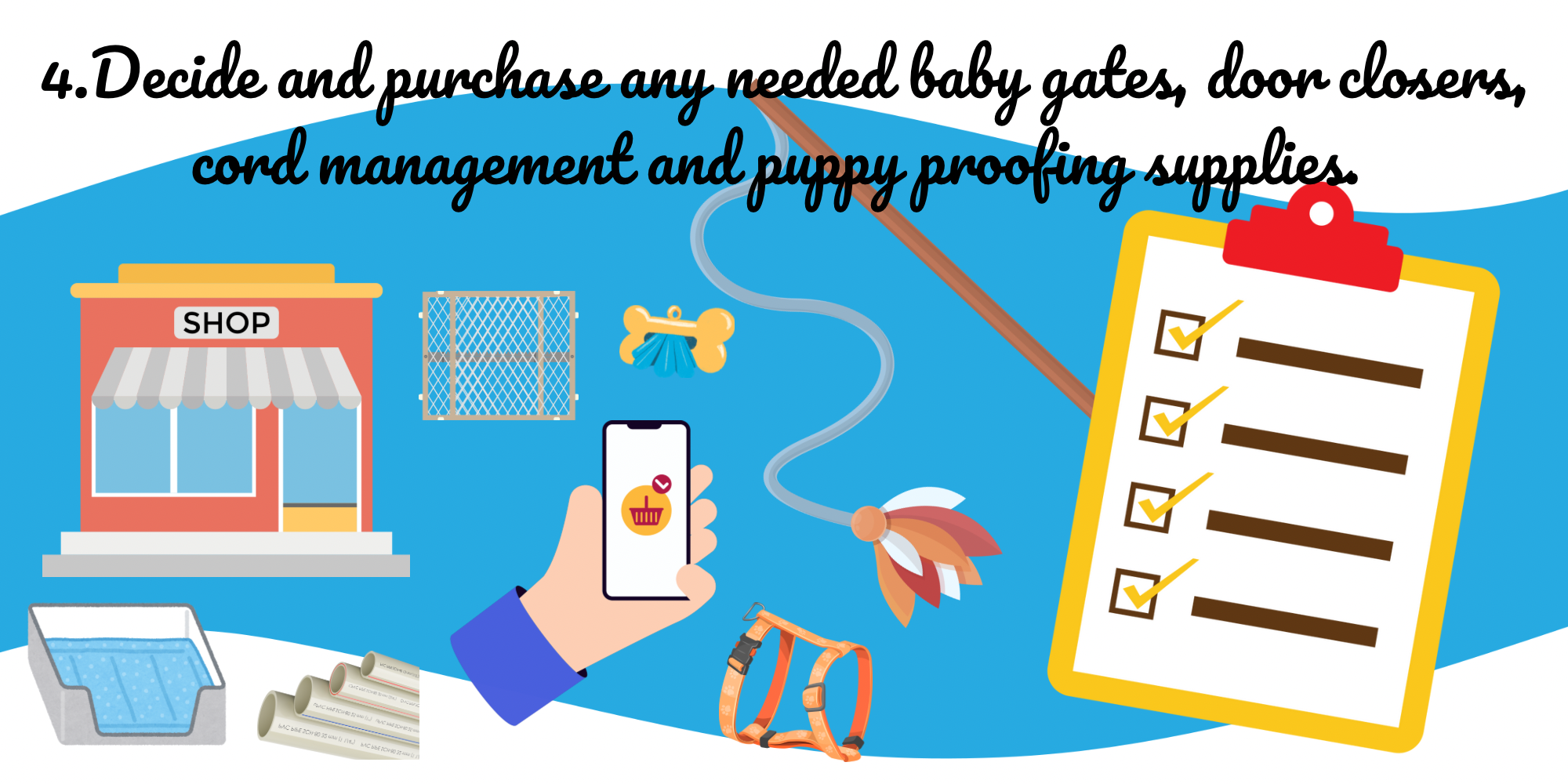
Once you have decided on a bedroom set up, a play hub, and a day pen area you can make a list of needed supplies to borrow, purchase used, or purchase new. Don’t forget supplies needed for puppy proofing such as PVC pipe to protect electric cords, table, and chair legs, baby gates, and door closers.
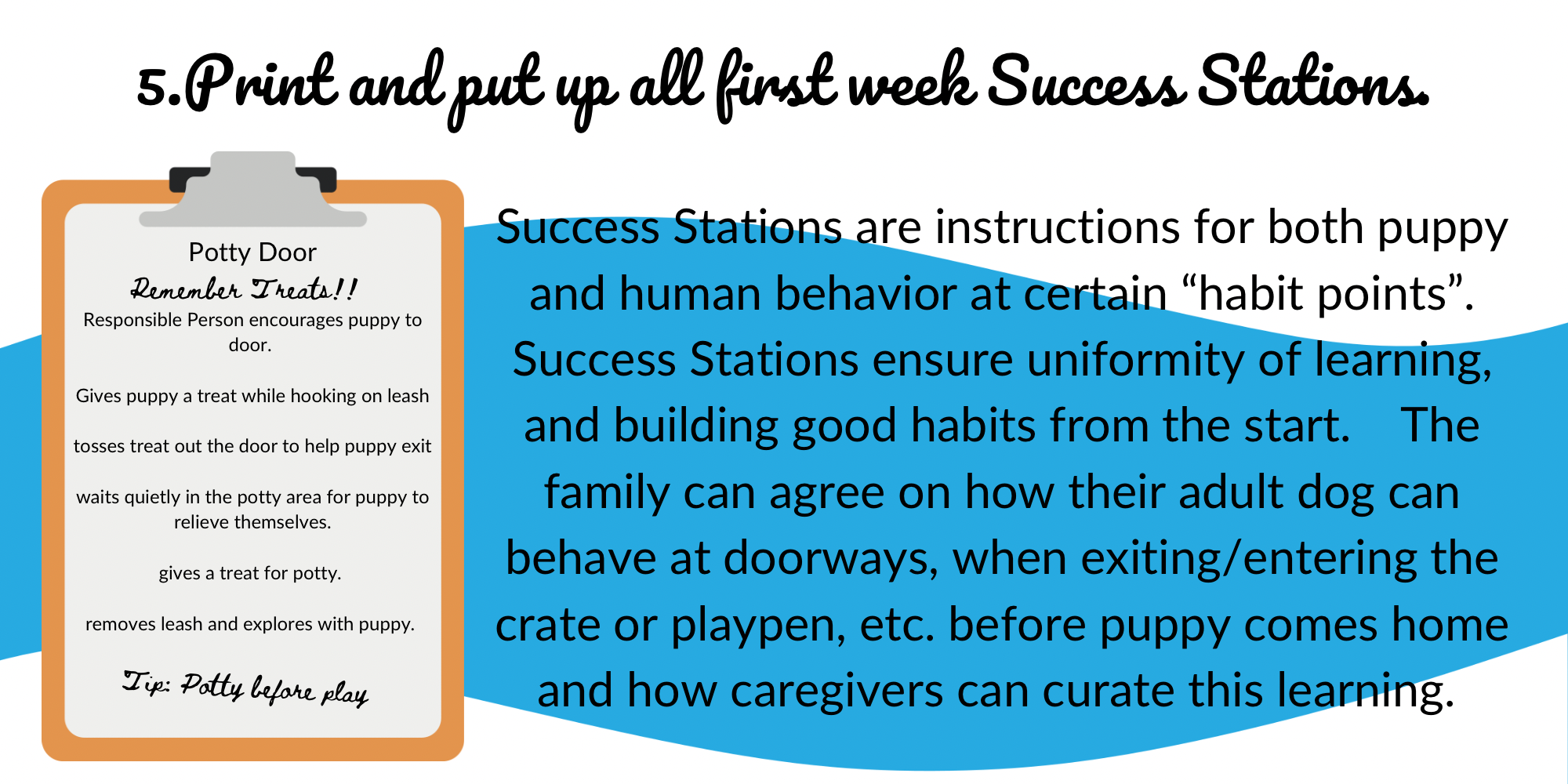
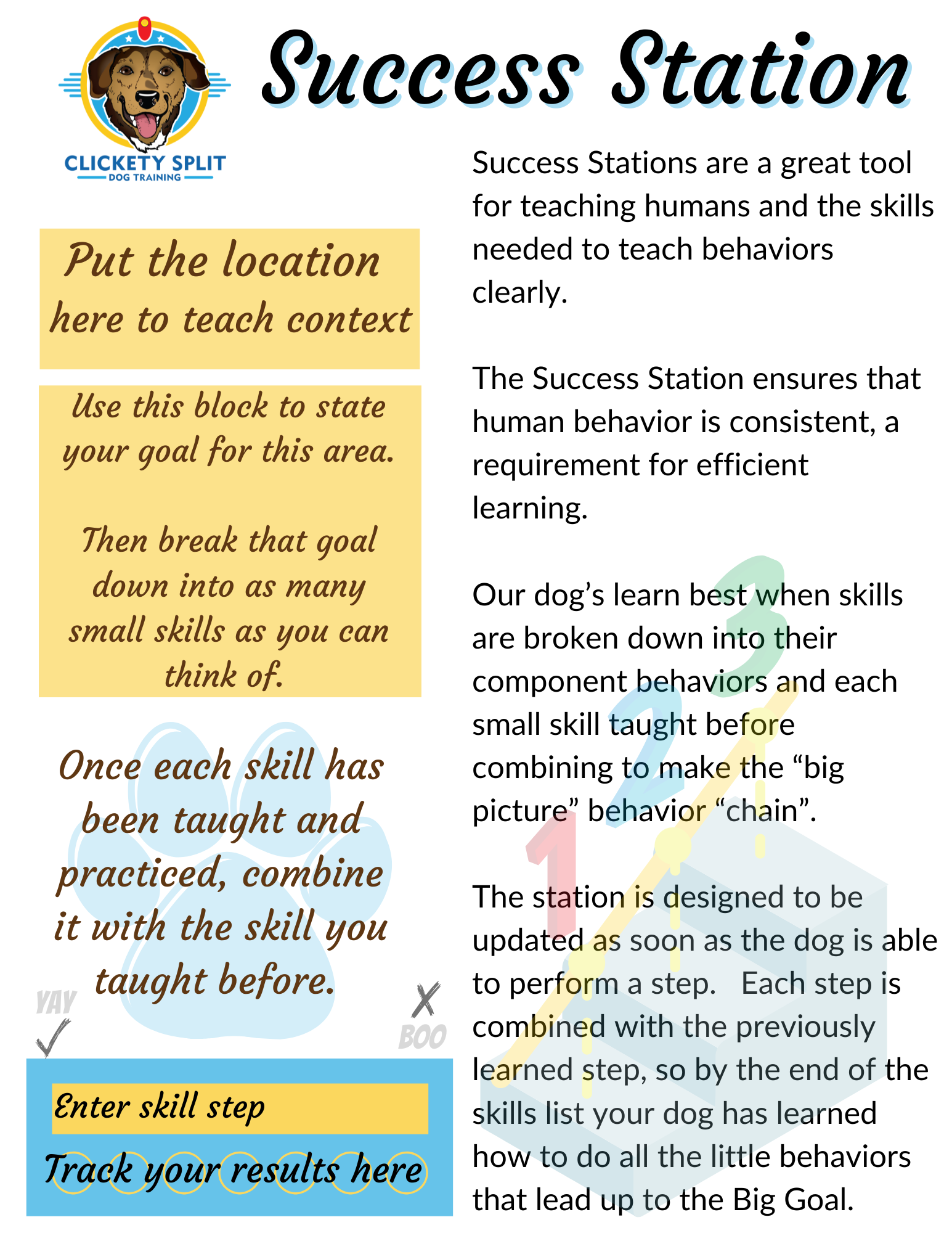
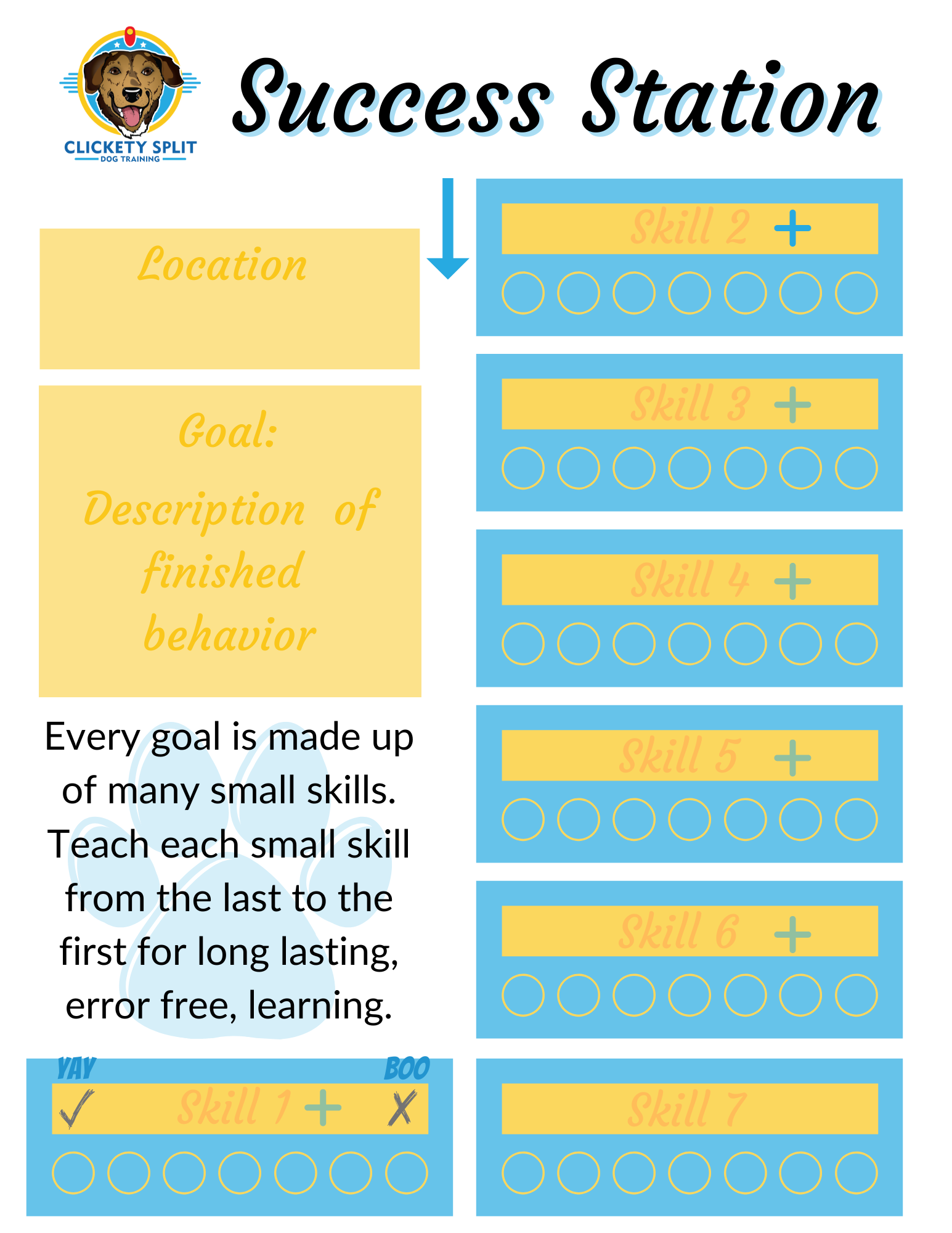
Success Stations are, well….important for success. By discussing how you want your dog to behave at important “behavior hot spots” you can save yourself a lot of upset, stress, and expensive training later. Front doors, back doors, entering/exiting crates and cars, meal times, all have human behavioral expectations that are unnatural for our dogs. By starting early and kindly curating the desired habits your dog will mature into a mannerly companion who understands how to communicate needs and wants to you. The following Success Station worksheet is included as a PDF in the Resources section.
It’s most effective to consider how you will manage your puppy’s behavior before you bring your puppy home. I suggest having a family conference about this two weeks before Puppy Day.
During Week 1 of the 2 weeks you are acquiring needed items and setting them up then that last week, you are living with your management choices, getting in the habit of opening and closing doors, puppy proofing any area the puppy will have off leash access to, installing baby gates, and setting up Puppy’s sleeping area (in a bedroom) and your day time play area (close to a back door). Imagining and getting used to how this will work and making adjustments as needed.
Remember, management tools Prevent our puppy from practicing behaviors that might become undesirable habits, damage our items, or are unsafe. They also give us an opportunity to ENCOURAGE and REINFORCE behaviors that we want to become habits.
Here is a list of the most common items used to manage puppy behavior. Your breeder may suggest others based on the individual needs of your breed.
X Pen, Crates, Tethers (always be safe!), Baby Gates, Closed Doors, Leashes, PVC pipe (can be used to protect electrical cords, and in large diameter to protect chair and table legs. Don’t forget human items too, such as tall gardening boots to protect legs from puppy teeth, and gardening sleeves to protect thin skin from same.